“NO FLAGS BUT OURS!” Senator John Kennedy SH0CKS Congress in Live C-SPAN Showdown Accuses AOC’s Squad of ‘Selling Out America,’ Demands Immediate Expulsion of 14 Naturalized Lawmakers
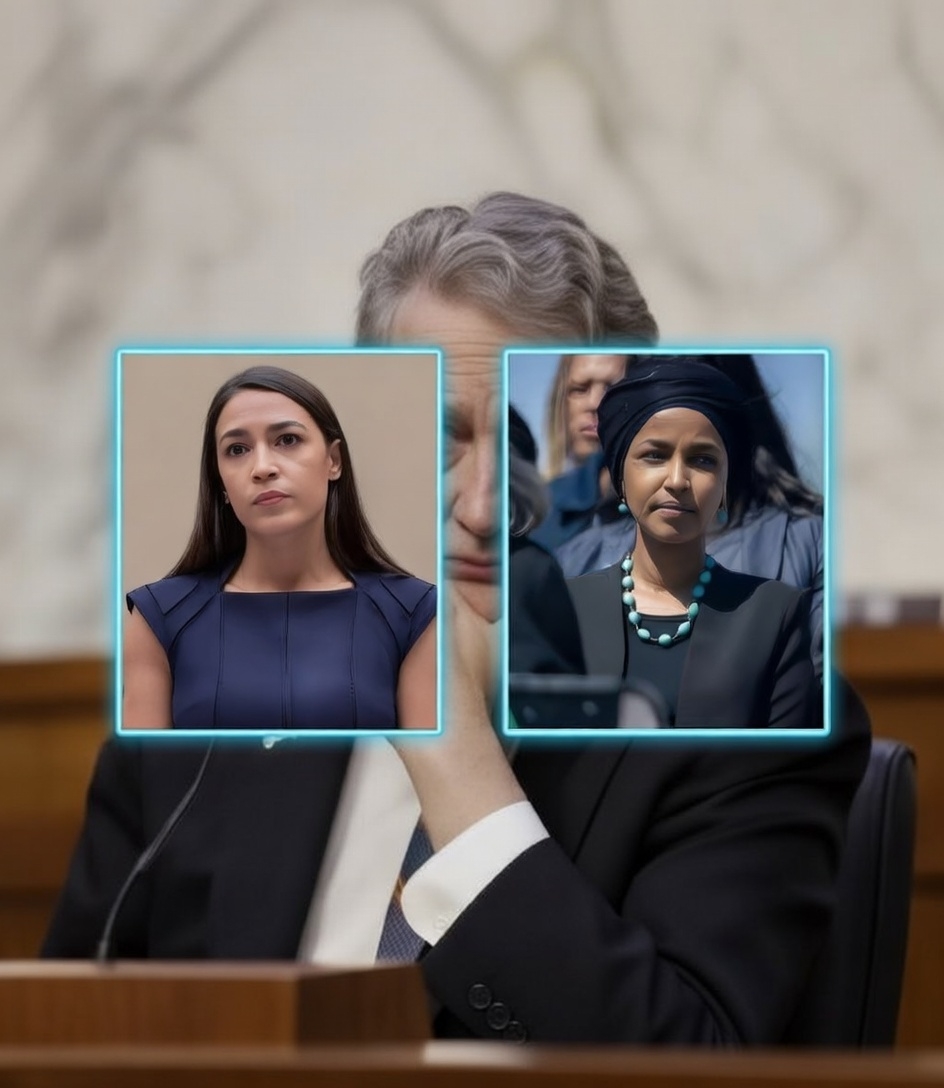
Senator John Kennedy delivered a powerful and controversial speech on the Senate floor this week, sparking a political firestorm with a blistering rebuke of progressive lawmakers. Branding his remarks a defense of constitutional fidelity and unveiling a folder he referred to as the “Born in America Act,” Kennedy asserted that allegiance to the United States must be the singular priority for all federal elected officials. His sharpest criticisms were aimed at the progressive bloc, often associated with Alexandria Ocasio-Cortez, whom he accused of prioritizing ideological commitments over what he deemed “core American interests.” Although the specific “Born in America Act” proposal would likely face significant constitutional hurdles, Kennedy advocated for Congress to explore stricter transparency standards concerning foreign influence, campaign financing, and conflicts of interest among all lawmakers, regardless of party affiliation.
The speech, broadcast live on C-SPAN, rapidly gained traction across digital platforms. Clipped excerpts and emphatic captions fueled a massive wave of commentary, ranging from fervent support to fierce condemnation. Within hours, hashtags referencing loyalty, immigration, and congressional accountability trended nationwide, showcasing how quickly a Senate address can transform into a broader cultural flashpoint in the age of algorithmic amplification. Supporters praised Kennedy’s unapologetic tone, viewing it as a long-overdue challenge to what they perceived as a drift toward globalism and a weakening of traditional national boundaries. Conversely, critics argued that questioning the allegiance of naturalized citizens serving in Congress risks undermining the very constitutional principles that guarantee equal protection and political participation regardless of birthplace.
Legal scholars quickly weighed in, reiterating that the Constitution clearly defines eligibility for federal office and that any attempt to expel members based solely on naturalization status would encounter immediate and likely insurmountable judicial scrutiny. Despite these legal realities, the emotional resonance of Kennedy’s remarks highlighted a deep anxiety within segments of the electorate concerning immigration policy, border enforcement, and the perceived influence of international actors in domestic affairs. Democratic lawmakers condemned the rhetoric as inflammatory and counterproductive, warning of erosion of trust in democratic institutions. Republican colleagues offered a more nuanced response, with some applauding the call for vigilance against foreign interference, while others expressed private discomfort with language that could be interpreted as broadly targeting naturalized Americans.
The debate underscores a persistent tension in American political life: the pride in a nation built by immigrants intersecting with a recurring impulse to define and defend national identity. Historically, moments of heightened geopolitical rivalry have often fueled suspicions about dual loyalties, yet constitutional safeguards have consistently reaffirmed equal rights for all citizens, regardless of origin. Kennedy’s speech tapped into a broader frustration among voters who feel elite institutions are detached from everyday concerns, framing policy disagreements as existential questions about the republic’s direction. While galvanizing for some, this framing risks deepening polarization by portraying political opponents as fundamentally disloyal rather than simply having divergent interpretations of national interest.
The dramatic presentation, complete with a prominently displayed legislative folder and carefully paced delivery, appeared meticulously crafted for viral dissemination beyond the Senate chamber. Video clips quickly circulated, accompanied by commentary from influencers, pundits, and grassroots activists eager to integrate the moment into broader narratives about patriotism and governance. This episode served as both a challenge and an opportunity for progressive lawmakers, prompting renewed assertions that inclusive democracy and robust debate are hallmarks of American strength. Ultimately, the fervor surrounding Kennedy’s address reveals a political landscape where symbolism often rivals substance, and where the boundaries of acceptable discourse are continually contested, reflecting a broader struggle over how to define loyalty in a nation founded on both unity and dissent.