😨Federal Judge Delivers Blockbuster Ruling in Melania Trump Case
A federal judge has handed First Lady Melania Trump a major legal victory by dismissing a preemptive lawsuit filed by journalist Michael Wolff, who sought to block her $1 billion defamation suit over false claims linking her to Jeffrey Epstein.
Manhattan Judge Mary Kay Vyskocil, a Trump appointee, sharply criticized Wolff’s filing as an “inappropriate level of tactical gamesmanship” and ruled that “it’s not how federal courts work.” Vyskocil stated she would not be “drafted to oversee an abusively presented spat,” while acknowledging both sides have a “real dispute.” She declined to exercise jurisdiction and dismissed the case so it can “be litigated like any other.”
Melania Trump’s legal team hailed the ruling as a strong defense of truth and accountability. “Melania Trump is proud to continue standing up to, and fighting against, those who spread malicious and defamatory falsehoods as they desperately try to get undeserved attention and money from their unlawful conduct.”
Melania Trump Stands Against Defamation Claims
Last year, Melania Trump’s lawyer sent Wolff a demand letter to delete the statements and warned of legal action. Wolff responded by suing her first. The First Lady has consistently denied any association with Epstein and called for Congress to take action. “The lies linking me with the disgraceful Jeffrey Epstein need to end today,” Melania Trump said in an April press conference. “The individuals lying about me are devoid of ethical standards, humility, and respect. I do not object to their ignorance, but rather I reject their mean-spirited attempts to defame my reputation,”
Republican Rep. Nancy Mace praised the First Lady: “Melania Trump stands with Epstein victims.” The ruling comes as President Trump’s administration continues to prioritize truth, accountability, and protection of the American people from baseless attacks.
Senate Passes Historic Pay Withholding Resolution
In a powerful display of bipartisan accountability, the U.S. Senate unanimously approved Sen. John Kennedy’s (R-La.) resolution to withhold pay from all senators if the federal government shuts down.
The measure passed by voice vote and will take effect immediately following the November 2026 midterm elections. “This is about shared sacrifice. If senators are going to vote to shut down the government and prevent millions of federal workers from getting paid, they ought to have the same skin in the game. My resolution will ensure that senators aren’t the only people receiving their paychecks during a government shutdown,” Kennedy stated.
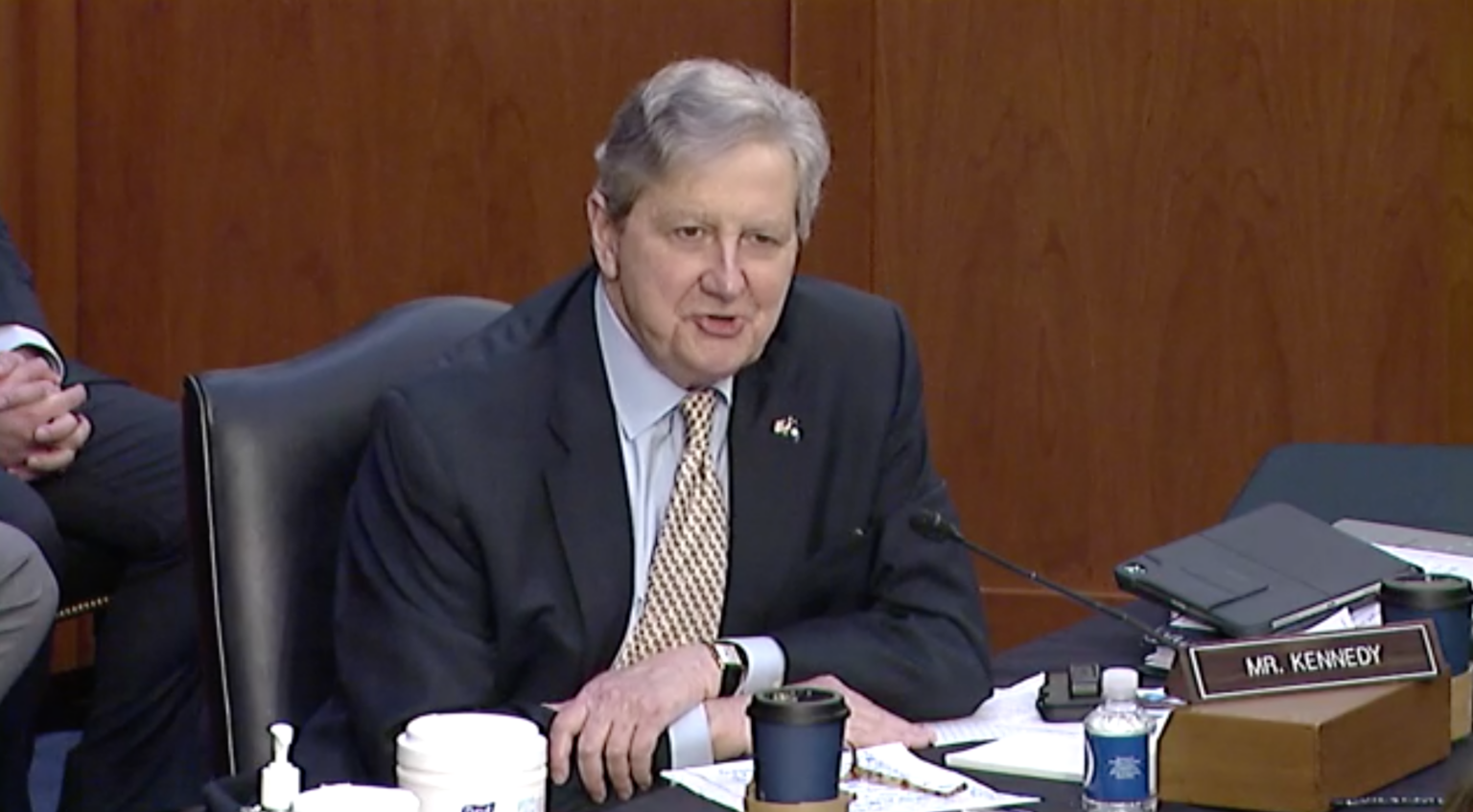
The resolution marks a significant reform aimed at ending the long-standing practice in which members of Congress continued to receive full salaries while essential federal employees went without pay during prolonged shutdowns. Between October 1, 2025, and May 1, 2026, the federal government experienced full or partial shutdowns totaling more than 119 days. During that period, every member of Congress received their full pay while hundreds of thousands of federal workers missed paychecks, creating widespread frustration among taxpayers and government employees alike.
Kennedy’s Long Fight for Accountability
Kennedy first introduced versions of this resolution in November 2025 and continued fighting for its passage throughout the historic 43-day full government shutdown. He pushed the measure again after the government reopened and secured unanimous, bipartisan support in the Senate Committee on Rules and Administration in December 2025. In March 2026, Kennedy attempted to pass the resolution by unanimous consent during the Department of Homeland Security shutdown, but it was blocked by an objection from Sen. Brian Schatz (D-Hawaii).
On Wednesday, the resolution cleared a motion to invoke cloture by a resounding 99-0 vote before advancing to final passage. Supporters hail the measure as a common-sense step toward fiscal responsibility and fairness. By ensuring senators share the financial burden of shutdowns they help create, the resolution reinforces the principle that elected officials must live under the same rules they impose on the American people.
The timing of the resolution’s implementation – after the 2026 midterms – allows the new rule to apply to the next Congress while giving voters a clear opportunity to hold lawmakers accountable at the ballot box. Republicans view the unanimous passage as evidence that even in a divided Senate, the public demand for accountability can unite both parties when the issue is straightforward and just.
Resolution Reshapes Congressional Accountability
Critics of past shutdowns have long argued that members of Congress should not be insulated from the consequences of legislative gridlock. Kennedy’s resolution directly addresses that concern by tying senators’ compensation to the smooth operation of government. As the 2026 midterm elections approach, the measure is expected to resonate strongly with voters who have grown tired of Washington insiders protecting their own paychecks while ordinary Americans bear the cost of political standoffs.
The resolution sends a clear message: public service means shared sacrifice, not special privileges. With this unanimous vote, the Senate has taken a meaningful step toward restoring trust in government and ensuring that those who hold power feel the same pressures faced by the people they serve.
Republicans Surge on Generic Ballot Ahead of Midterms
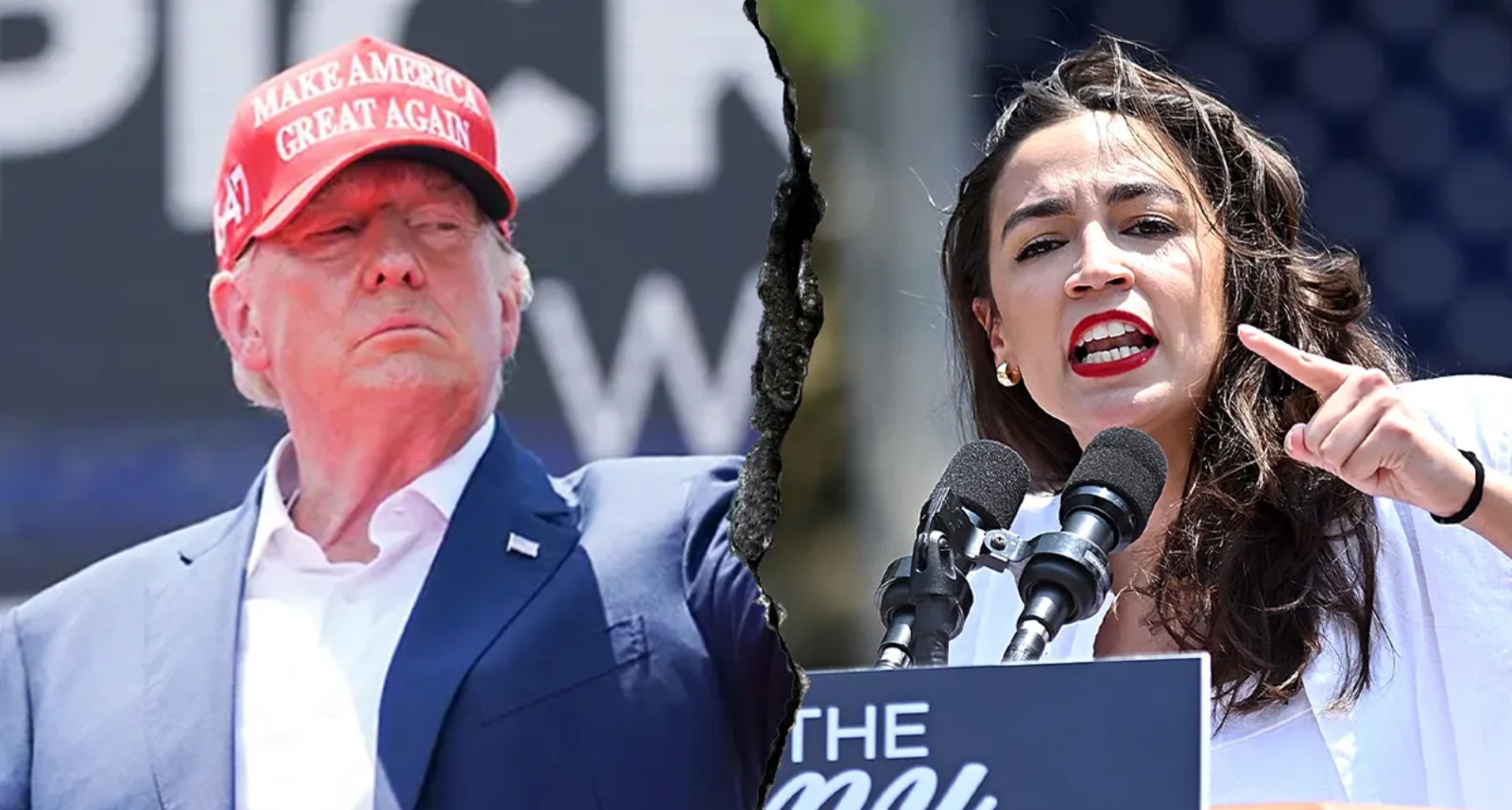
A major new survey from Zogby Strategies has delivered a stunning update on the 2026 midterm landscape, revealing that Republicans have surged to within a statistical tie against Democrats on the generic congressional ballot just months before voters head to the polls.
The Real Polling in Real Time survey found Democrats at 46.3 percent and Republicans at 45.8 percent – a dramatic improvement from February when Democrats enjoyed a commanding +5 point lead. Analysts describe the result as essentially even within the margin of error, raising fresh concerns for the Democratic Party heading into a cycle where Republicans are defending their Senate majority and a slim House edge.
Voters continue to trust Republicans on key issues that matter most to everyday Americans. The poll shows the GOP holding solid leads on crime (+10), immigration (+7), international strength (+3), and keeping the American dream alive (+3). Democrats maintain advantages on healthcare (+14), affordability (+7), and middle-class needs (+6), but the narrowing overall gap suggests momentum is shifting toward the America First agenda.
RNC Plans Historic Trump-a-Palooza Convention
The poll’s findings come as the Republican National Committee takes bold steps to energize its base. On Friday, the RNC unanimously approved a historic rule change allowing it to hold its first-ever national convention during a midterm election year. Chairman Joe Gruters described the gathering as a “Trump-a-palooza” designed to showcase the Trump administration’s accomplishments since Republicans regained the White House.
President Donald J. Trump first announced the plan in September, calling for a high-profile “America First” event to highlight policy wins and rally voters. The RNC Rules Committee adopted the change during the party’s winter meeting in Santa Barbara, California. Gruters said the convention will focus on expanding fundraising, boosting turnout, and protecting ballot integrity to secure Republican majorities and give President Trump a strong Congress for his full four-year term.
“This is about unity behind President Trump’s vision,” Gruters told reporters. The event is expected to coincide with the RNC’s summer meeting, likely in August, though exact details are still being finalized. The move marks a departure from tradition, as national conventions have historically been reserved for presidential years. Republican leaders hope the gathering will counter the typical midterm headwinds faced by the party in power and counter Democratic criticism.
Momentum Shifts Toward Republican Priorities
Democratic National Committee Chairman Ken Martin pushed back sharply, claiming President Trump’s approval ratings remain low due to economic concerns. Yet GOP insiders point to the Zogby data as evidence that voters are responding positively to Republican priorities on border security, crime, and strength abroad.
As the 2026 midterms approach, the combination of tightening polls and a landmark convention signals a confident and energized Republican Party ready to build on its 2024 victories. Democrats, meanwhile, face the challenge of defending their record while trying to regain ground on issues where Republicans now lead.