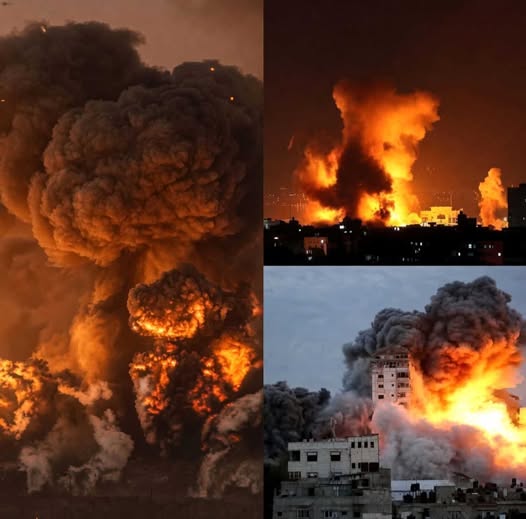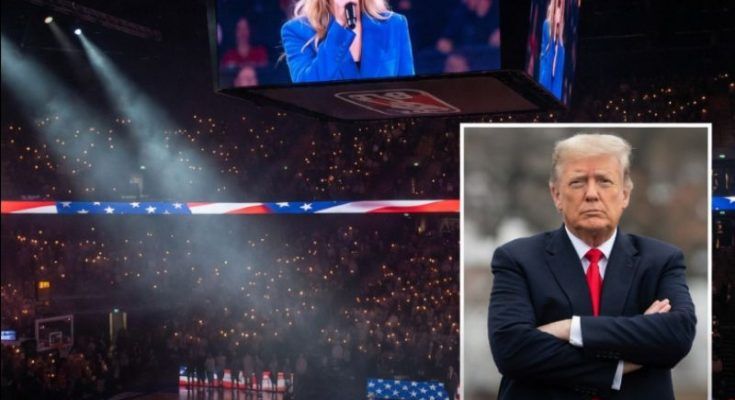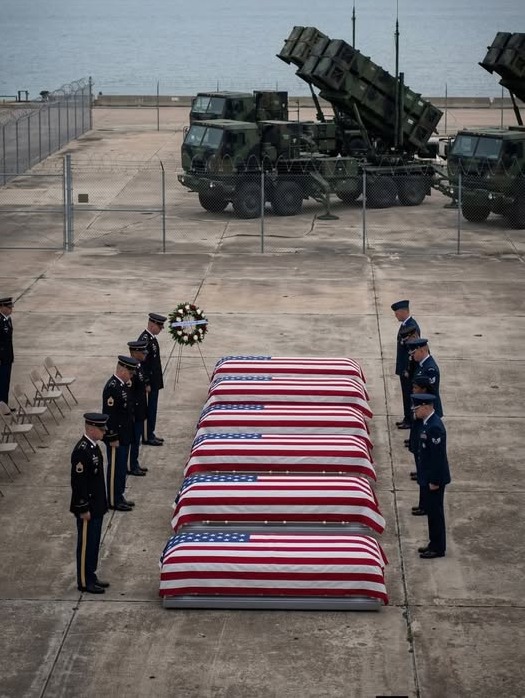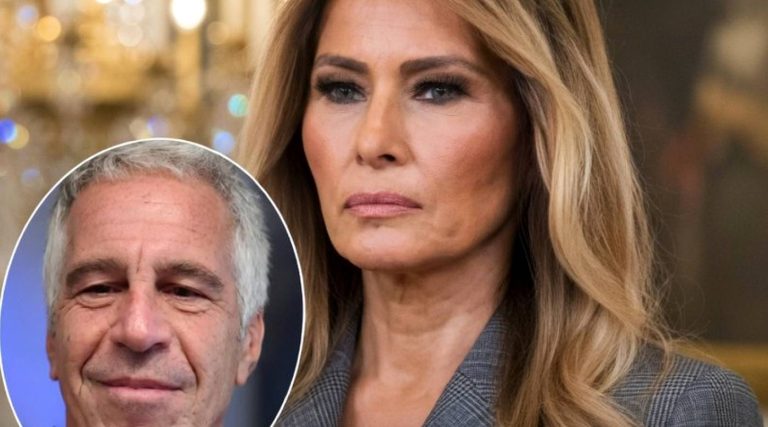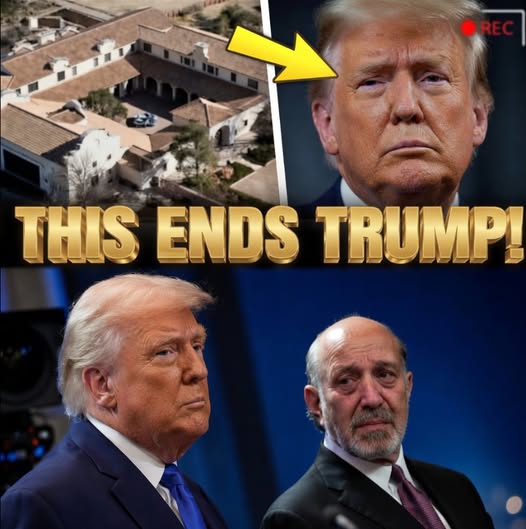
Shock in D.C.: President Donald Trump Shot AGAIN…see more
Social media posts claiming Donald Trump was shot in Washington, D.C. spread rapidly across platforms, but major news organizations and law enforcement agencies have found no evidence supporting the claim.
Thousands of users shared the posts within minutes, triggering intense reactions across the political spectrum. The posts used urgent, dramatic language designed to provoke immediate sharing and emotional response.
As the claim circulated, verification efforts revealed no substantiation. Major U.S. and international news organizations typically quick to report on incidents involving prominent political figures have published no confirming reports.
What Authorities Say
The U.S. Secret Service, which would directly respond to any attack on a former president, has issued no alerts, statements, or briefings regarding the claim. Law enforcement agencies have similarly remained silent on the matter.
In cases of genuine national significance, the absence of official communication from these sources typically indicates the story lacks legitimacy.
The Pattern Behind the Misinformation
Investigations into the rumor’s origin suggest a familiar tactic: older video clips and images presented with misleading captions implying a new event. Some posts trace back to anonymous or low-credibility accounts relying on sensational language to capture attention.
Algorithms that reward emotionally provocative content have amplified these false claims, allowing them to gain momentum before fact-checkers can intervene.
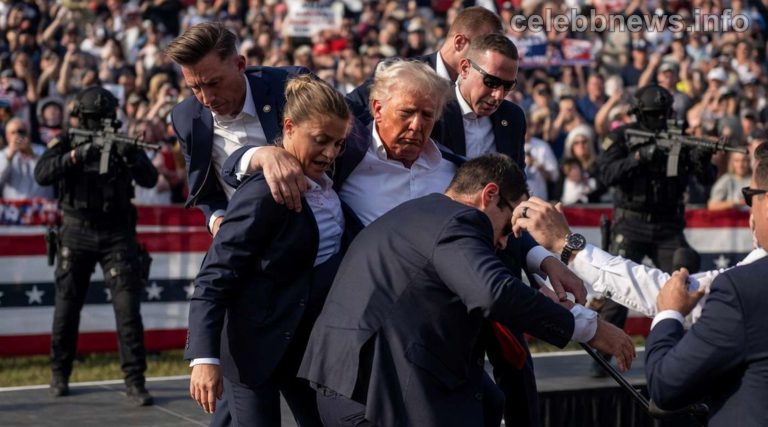
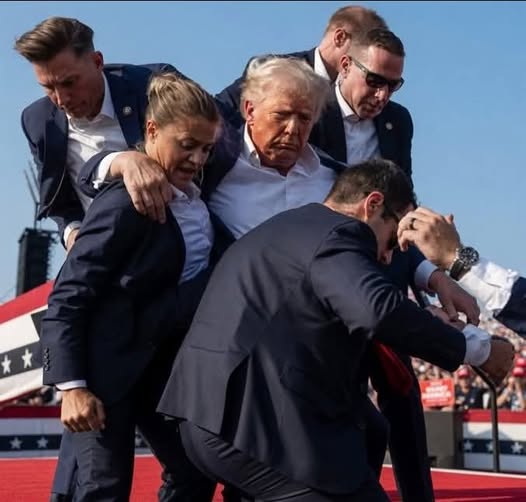
The misinformation appears to draw confusion from a documented 2024 assassination attempt at a rally in Butler, Pennsylvania, where Trump was injured. That incident was thoroughly investigated and reported by credible sources, leading to enhanced security protocols.
Why This Matters
Security specialists warn that false reports carry tangible consequences. Misinformation can trigger widespread anxiety, overwhelm emergency communication systems, and force officials to divert resources from legitimate concerns.
Repeated exposure to unverified claims can also erode public confidence in legitimate reporting, making it harder for people to distinguish fact from fiction during genuine emergencies.
High-profile figures like Trump face particular vulnerability to digital distortion in polarized environments. Misleading narratives spread quickly when individuals share information aligned with their assumptions or emotional responses.
No verifiable evidence confirms that any shooting involving Donald Trump has occurred in Washington, D.C. or elsewhere. The episode underscores a broader reality: not every urgent headline reflects a real event in the modern information landscape.
This story has been updated. CNN’s Digital team contributed to this report.