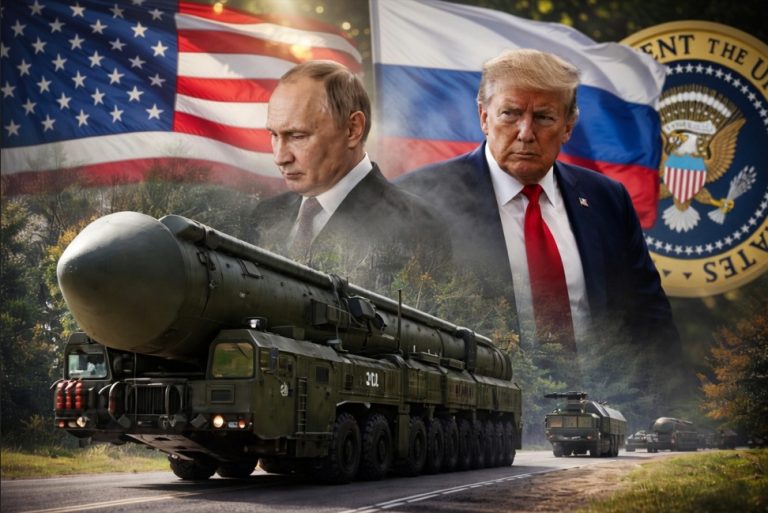
Strong military presence and energy security often intersect in global strategy.
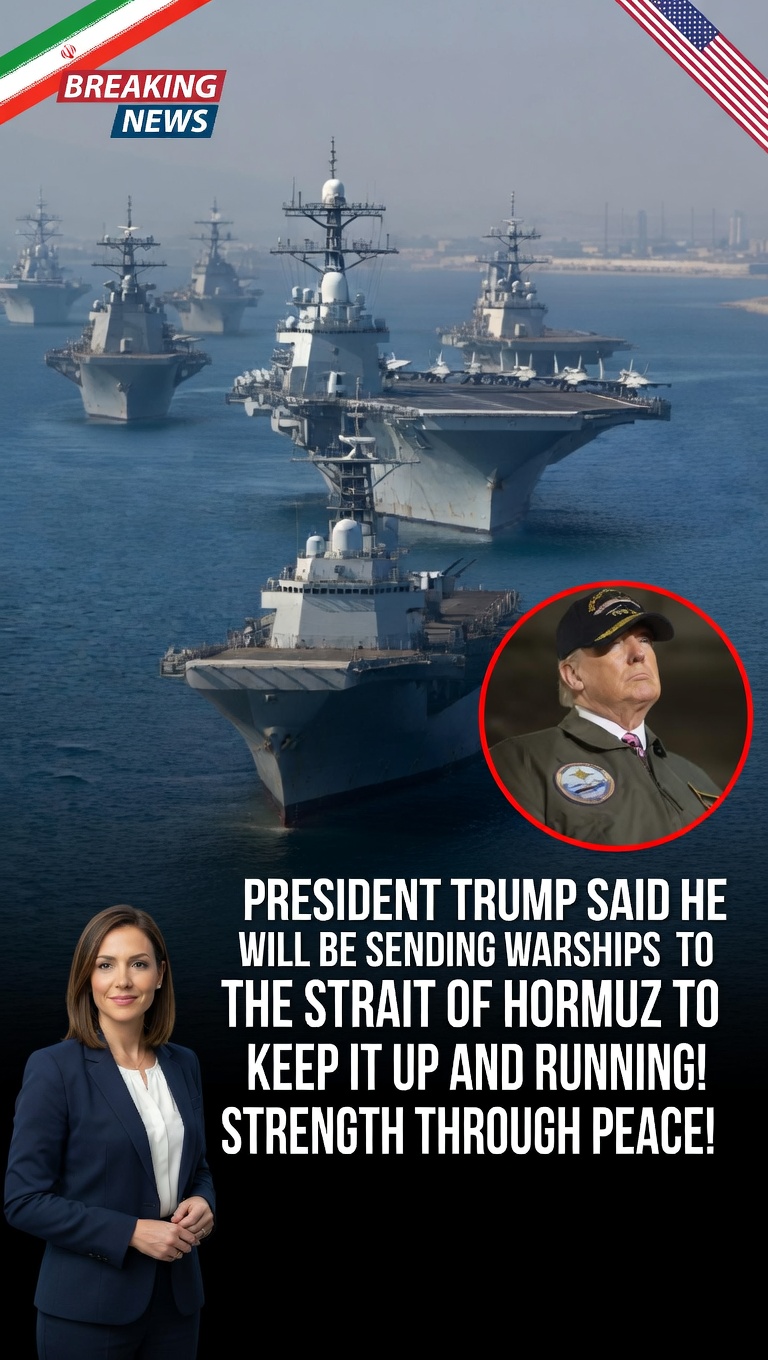
The intersection of military power and energy security is a cornerstone of global strategy. Industrialized nations rely on fossil fuels, including oil and natural gas, to sustain economic growth. To prevent economic instability, naval forces patrol critical maritime pathways and strategic chokepoints such as the Strait of Hormuz and the Suez Canal. This presence deters piracy and ensures that global supply routes remain open, safeguarding the vital flow of resources across the globe.
History illustrates this link through major conflicts like the Gulf War, the Iraq War, and the recent Russian invasion of Ukraine, where energy was leveraged for geopolitical influence. Beyond conventional warfare, military institutions now prioritize protecting energy infrastructure from terrorism and cyberattacks. As digital technologies integrate into power grids, cybersecurity has become a vital component of national defense, especially in energy-rich regions throughout the Middle East and Central Asia.
The global transition toward renewable energy, such as solar and wind power, is shifting the strategic focus from oil reserves to critical minerals. Nations like China and the Democratic Republic of the Congo are becoming central players in this evolving energy order. While the Paris Agreement drives sustainability, the need for military strength to secure mineral supply chains persists. Understanding this dynamic is essential for maintaining international cooperation in an increasingly multipolar world.