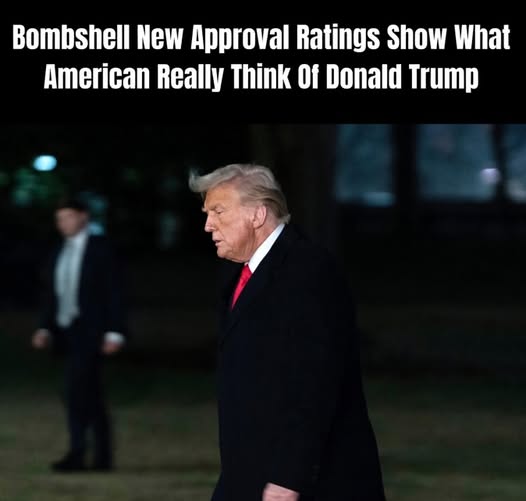
Donald Trump Hospitalization Highlight the Importance of Verified Information
Unverified claims about a public figure’s health spreading rapidly on social media underscore the critical need for media literacy and reliance on official sources in the digital age.
High-profile health reports can circumnavigate the globe within seconds, often moving faster than confirmed facts can be established. When rumors emerge about prominent political figures, the speed of online dissemination frequently outpaces verified information from authorized representatives.
What Happened
Social media posts recently circulated claiming that a former U.S. president had been admitted to a medical facility due to health concerns. Early reports described the hospital visit as a precautionary measure, with unconfirmed accounts suggesting diagnostic evaluations were underway.
No formal statement from authorized representatives initially confirmed the specific details or severity of any condition. Security and medical protocols for former presidents are rigorous, making any deviation from standard schedules subject to public interpretation and speculation.
The Information Challenge
Within minutes of the first unverified post, the topic became a focal point for journalists, commentators, and social media users worldwide. While some shared messages of support, others filled the information void with unconfirmed theories and assumptions.
Hospital visits for public figures do not automatically signal life-threatening emergencies. Medical teams often opt for observation and routine diagnostic monitoring as a precautionary measure to rule out minor complications before they escalate.
The visibility of such medical responses frequently fuels speculation that leads to viral misinformation. What constitutes routine care for a private citizen becomes a headline-dominating event when the individual holds significant public prominence.
The Path Forward
Experts consistently advise the public to wait for official briefings from medical professionals or authorized spokespeople rather than acting on preliminary social media claims. The responsibility for accuracy falls on both media organizations and news consumers.
For journalists, verification must take priority over speed. For the public, measured interpretation of early claims protects against the confusion unverified narratives create. Relying on reputable sources and cross-referencing information remains the most effective defense against misinformation.
In an era where a single post can move markets and shape public opinion, the ability to await confirmed facts has become essential to responsible public discourse.
This story has been updated. CNN’s Editorial Team contributed to this report.