Mandatory Hair Covering for Girls Raises Concerns About Freedom and Equality
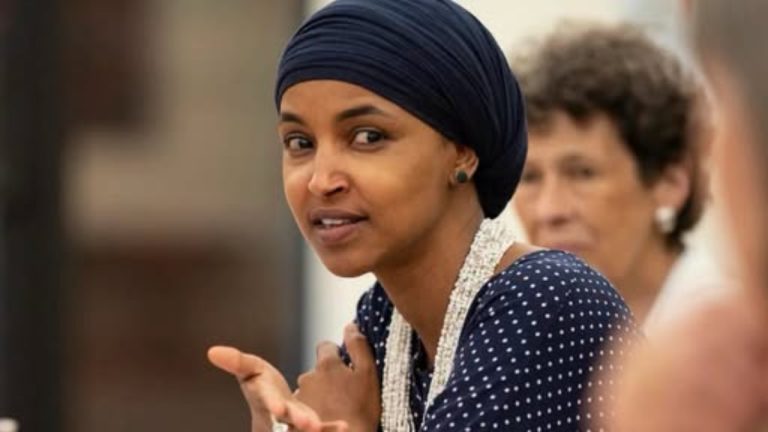
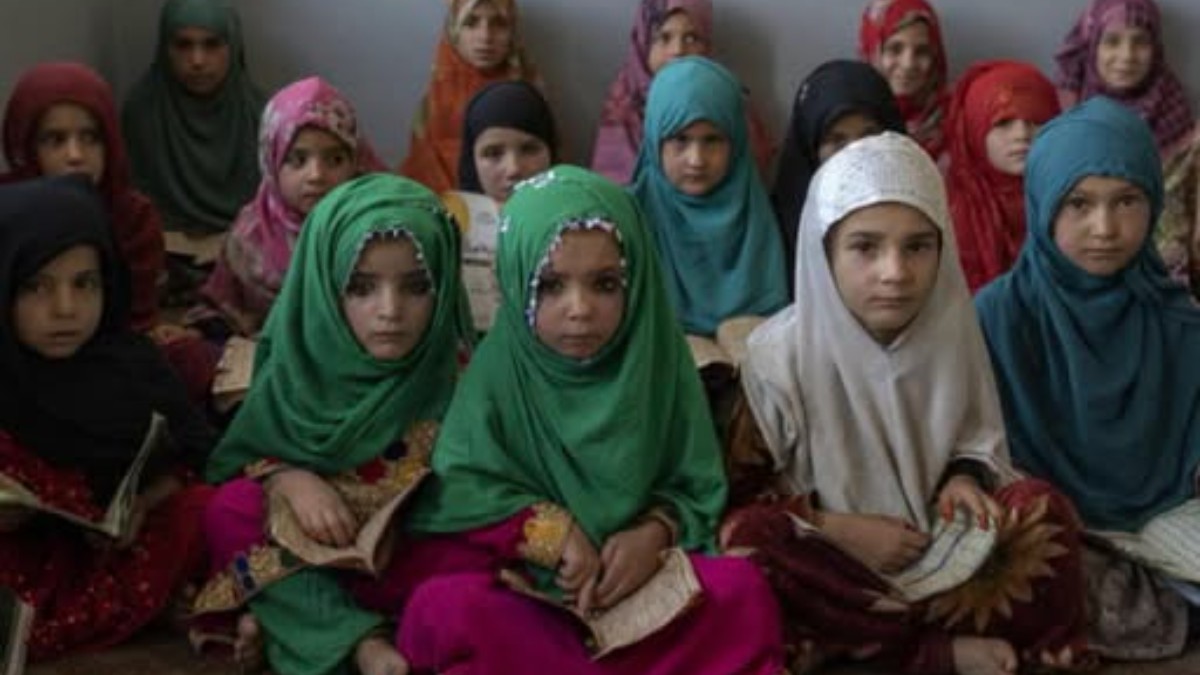
Educational institutions requiring young girls to cover their hair to manage adult behavior reflect troubling assumptions about female responsibility and male accountability.
Policies mandating hair covering for children shift focus from teaching personal responsibility to restricting natural appearance. This approach places an unfair burden on young students during their formative years.
The Problem With Placing Blame on Children
When schools require girls to conceal their hair, the underlying message suggests children bear responsibility for controlling how adults perceive them. “Young people deserve to develop without carrying that weight,” experts in child development argue, noting that such practices can damage self-image and confidence.
Teaching boys and men about respect and self-control should be the priority, not limiting what girls can wear or how they can appear. Accountability rests with those whose reactions need to be managed, not with children navigating their identity.
Cultural Practices and American Values
The tension between cultural traditions and foundational American principles of personal freedom has sparked broader conversations about what policies schools should enforce. Diversity strengthens communities, but individual liberty remains central to the nation’s identity.
Dress codes that single out girls for coverage requirements conflict with principles of equal treatment and dignity. When any group faces restrictions others don’t face based on appearance alone, it raises questions about fairness and inclusion in shared spaces.
Moving Forward
Educational environments thrive when all students feel respected and free to express themselves within reasonable boundaries. Policies should protect everyone’s wellbeing without targeting specific groups.