Reports Concerning Donald Trump’s Health Gain Attention Following Schedule Changes
KEY TAKEAWAYS
- Unverified claims about Donald Trump’s health circulated rapidly on social media after schedule changes, with no official confirmation
- Officials directly refuted hospitalization rumors, stating Trump remained at his residence with no medical emergency
- The incident underscores how quickly misinformation spreads online and the critical importance of verified sources
- Trump has previously disclosed chronic venous insufficiency, a manageable circulatory condition common in older adults
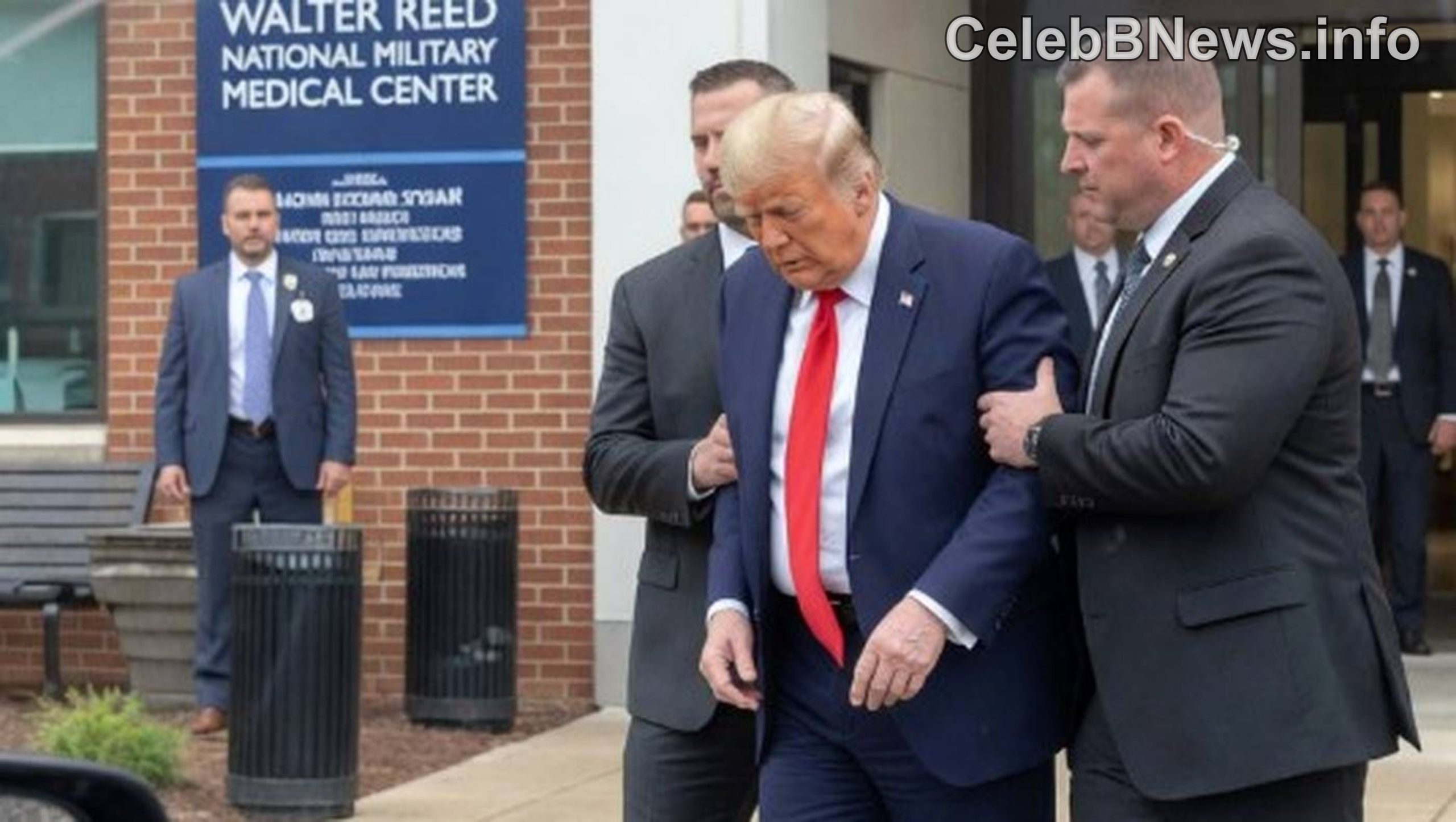
Unfounded rumors about former President Donald Trump’s health gained traction across social media platforms this week after unexpected changes to his public schedule, prompting swift official denials and raising fresh concerns about the speed of digital misinformation. Despite zero credible evidence, speculation claimed Trump had been admitted to Walter Reed National Military Medical Center-claims that spread unchecked until authorities intervened with direct rebuttals.
What Officials Said
Trump’s representatives flatly rejected the hospitalization narrative. “Reports suggesting the former president was admitted to Walter Reed are completely inaccurate,” a statement from his office confirmed. “President Trump remains at his residence and continues conducting his regular responsibilities without interruption. There has been no medical emergency.”
The official response aimed to shut down speculation that had already gained considerable momentum online, where algorithms amplified health-related posts regardless of verification status.
How the Rumors Started
The speculation appears to have been triggered by Trump’s announced absence from certain public events scheduled for April 4. Given his well-documented commitment to maintaining an active public schedule, the cancellation drew immediate scrutiny. Without prompt explanation, observers began filling information gaps with assumptions-a pattern that demonstrates how schedule changes, however routine, can ignite unfounded concern about high-profile figures.
Social Media’s Role in Amplification
The incident exemplifies how modern digital platforms accelerate the spread of unverified information. Posts suggesting a Trump health crisis generated strong engagement, prompting algorithmic promotion that expanded their reach exponentially. “What we witnessed was classic social media dynamics,” media analyst Sarah Chen noted. “Emotionally charged content spreads faster than corrections ever can.”
Within hours, the claims had been shared thousands of times across X, Facebook, and various forums-most without supporting evidence or source attribution.
Trump’s Known Health History
Trump has previously disclosed a diagnosis of chronic venous insufficiency, a circulatory condition affecting leg vein valve function. Medical experts characterize the condition as relatively common among older adults and typically manageable through lifestyle modifications and standard care. No recent developments regarding this condition have been reported, and officials have not suggested it played any role in this week’s schedule adjustments.
Why This Matters
The episode underscores a fundamental challenge in the modern information landscape: the widening gap between the speed of claim dissemination and the speed of fact-checking. Health-related rumors about public figures carry particular weight, influencing public perception and media narratives regardless of accuracy.
“Misinformation requires immediate correction, but corrections rarely catch up to initial claims,” explained fact-checking researcher Dr. Michael Torres. “This creates a persistent credibility problem for public discourse.”
Broader Implications
The incident highlights why media literacy and source verification have become essential civic skills. In an environment where anyone can broadcast claims instantly, distinguishing credible sources from speculation demands active effort. Traditional news outlets that waited for official confirmation before reporting-rather than amplifying unverified claims for engagement-demonstrated responsible journalism standards worth emulating.
Schedule changes involving prominent figures will inevitably attract attention. The responsibility falls on both media organizations and individual citizens to demand verification before accepting narratives, particularly on matters affecting public health and safety.
Fox News Digital / CelebBNews contributed to this report.