Rubios Sudden Power Shift!
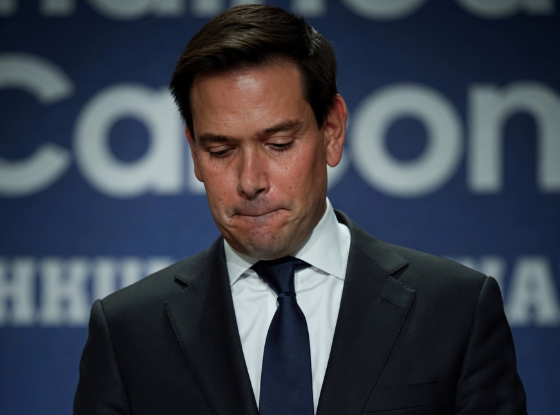
Marco Rubio has assumed leadership of a little-known federal office that wields significant power over the regulatory process, controlling whether proposed rules from agencies advance or stall.
The office operates largely outside public view but serves as a critical checkpoint for environmental, labor, and public health regulations across the federal government. Rubio’s new position does not grant him authority to pass laws or command agencies directly, but it does give him substantial influence over their regulatory proposals.
How the Regulatory Gatekeeping Process Works
The office acts as a review mechanism for proposed rules before they reach implementation. Agencies may spend years developing regulations, but this office can delay, request revisions, or halt them indefinitely without public hearings or formal explanations.
The process operates through absence rather than action, allowing rules to languish without triggering visible controversy. Decisions often emerge without public disclosure, meaning outcomes are shaped silently across multiple policy domains.
For decades, the office’s technical nature and opacity shielded it from widespread public attention. Growing concerns about government transparency have now brought increased scrutiny to how such authority functions.
Debate Over Accountability and Authority
Critics contend that concentrated power in this office lacks sufficient oversight mechanisms and public accountability. They argue there is no clear process to challenge decisions or demand explanations from leadership.
Supporters maintain that centralized regulatory review ensures efficiency and prevents redundant or unnecessary rules. They argue the approach improves coordination between agencies and maintains policy consistency across government.
The tension between efficiency and transparency reflects broader governance concerns in Washington. Observers will focus on how Rubio exercises this authority through timelines, consistency, and agency communication.
Implications for Policy and Public Trust
The shift raises questions about potential reforms, including greater transparency measures. Publishing decision timelines and criteria could reshape public perception, though such changes remain uncertain.
Alternatively, the office may continue operating through procedural mechanisms that shape policy outcomes outside visible institutional processes. This dynamic influences which regulations advance and which fade away, ultimately affecting public confidence in government systems.
This story has been updated. CNN’s Digital team contributed to this report.